

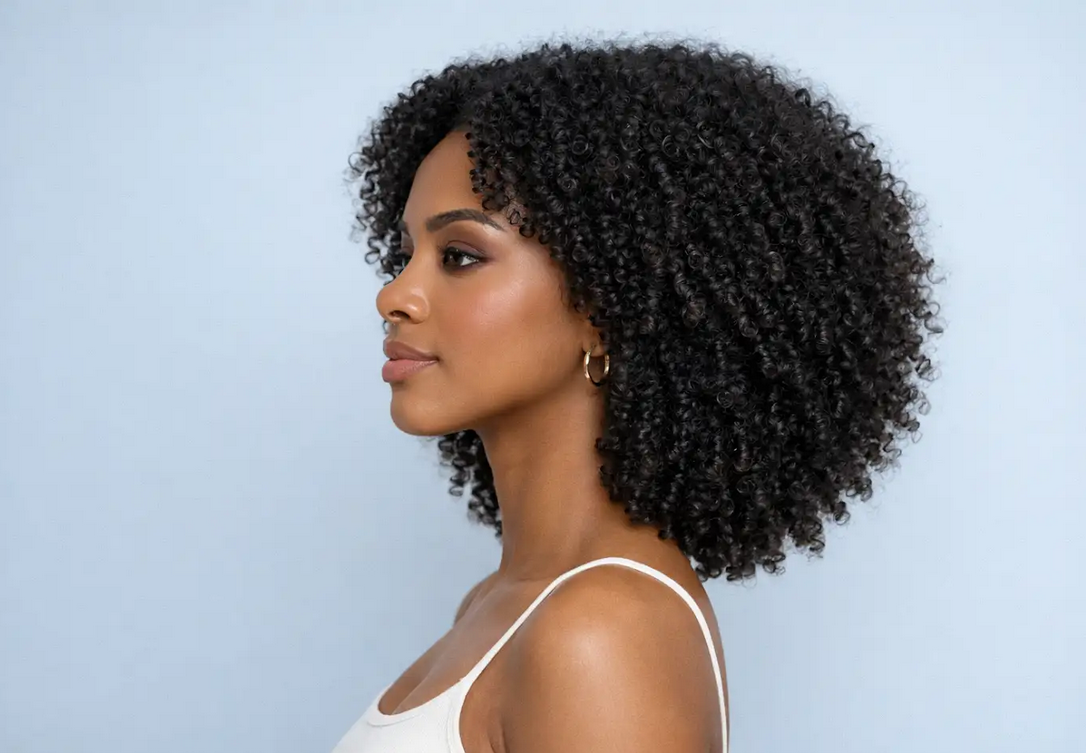
Curly extensions can look similar at first glance, but anyone who has worn different curl patterns knows the details matter. Texture, strand shape, density, softness, frizz pattern, and overall finish all play a major role in how hair blends, styles, and lasts over time. That is exactly why understanding the difference between one curly option and another is so important before buying. Some curl patterns are light and glossy, some are fluffy and voluminous, and some offer that richer, more textured look that blends beautifully with natural hair. If you are trying to compare Burmese curls with other curly textures, it helps to look beyond the label and pay attention to how the hair behaves in real life, from washing and styling to everyday wear and long-term maintenance.
What Makes Burmese Curls Stand Out Among Textured Hair Types?
For anyone who loves textured hair that feels expressive, soft, and naturally full, Raw Burmese Curly Bundles stand out because they tend to offer a more defined yet lived-in curl pattern than many other curly options. Instead of looking overly polished or too uniform, this texture usually has a richer, more natural character that works especially well for people who want hair that looks close to real textured strands rather than a manufactured curl.
One of the biggest differences is balance. Burmese curls often sit in that sweet spot between softness and fullness. They are not usually as loose as wave-like textures, but they also do not always feel as tightly compact as kinkier curl patterns. That makes them appealing for people who want volume, movement, and a textured finish without losing versatility.
Another reason this texture gets attention is the way it can complement different styling goals. It can be worn in a fuller state for a bold, natural look, or shaped and defined for something more polished. In many cases, the texture feels substantial without becoming too heavy, which is a major plus for anyone who wants body without stiffness.
How It Compares With Other Curly Hair Textures
Not all curly extensions fall into the same category, even when product photos make them seem close. Some curly textures lean softer and shinier, creating a more defined ringlet finish. Others have a fluffier appearance with less uniformity, which can be ideal for those who want a look that mimics blown-out or more coily natural hair. Burmese curls tend to sit somewhere in between, giving you a textured, dimensional look that still keeps visible curl definition.
When comparing curl families, it helps to think in terms of finish. Some textures are known for a silky, glossy appearance, while others have a lower-luster, more natural-looking surface. Burmese curls are often loved because they can give that textured finish many wearers want without appearing too shiny or overly processed. That makes them a strong option for everyday styling, especially if realistic blend is a priority.
If you are building a more complete textured look, especially around the crown and parting area, a well-matched Burmese Curly Closure can help maintain consistency so the overall style feels seamless from root to ends. That is particularly useful when comparing this curl type to other curly patterns that may be pretty on their own but harder to blend into a fully natural-looking install.
In practical terms, here is how these textures often differ:
● Loose curly textures: Usually have more swing and a softer ringlet appearance.
● Deep curly options: Often look more defined and glamorous, sometimes with a more uniform curl pattern.
● Kinky curly textures: Typically offer maximum fullness and a tighter, more coily finish.
● Burmese curls: Often provide a textured middle ground with visible definition, volume, and natural character.
Blend, Styling, and Everyday Wear Differences
One of the biggest factors when choosing curly hair is blend. A texture can look beautiful in a bundle photo and still not work for your leave-out, styling routine, or personal preference. Burmese curls are often chosen by people who want a curl pattern that feels textured enough to sit comfortably beside natural hair, especially when the goal is not a super-silky or overly uniform finish.
Styling also tends to feel different from one curl type to another. Looser curly textures may be easier to stretch into larger styles, while tighter curl families may deliver more fullness with less effort. Burmese curls often appeal to people who want both definition and body. You can wear them big, shape them with product, or brush them out lightly for a softer, more voluminous result depending on the look you want.
Maintenance is another area where texture choice matters. Hair with a more natural, textured appearance often benefits from moisture, gentle detangling, and curl-friendly products. Burmese curls are no exception. They usually look best when treated in a way that supports definition without weighing the hair down. A simple routine often works well:
● Use a sulfate-free cleanser or co-wash when needed
● Apply a moisturizing conditioner with slip
● Detangle gently from ends upward
● Use a light curl cream or leave-in for definition
● Let the hair air-dry or diffuse carefully for shape
How to Decide Which Curl Texture Is Right for You
The best texture is not always the tightest, loosest, or most popular one. It is the one that suits your own hair goals. If you want something airy and soft with a more relaxed curl pattern, another curly family may fit better. If you want maximum fullness and a more coily appearance, kinkier textures may be the better match. But if you are looking for a curl pattern that offers natural-looking volume, noticeable texture, and styling flexibility, Burmese curls often deserve a closer look.
It also helps to think about your lifestyle. Do you prefer wash-and-go styles, or do you like reshaping your curls with products? Are you trying to match your leave-out, create a full install, or wear a polished protective style? The answer to those questions can guide you more clearly than trend-based shopping ever will.
Before buying, keep these points in mind:
● Choose based on blend, not just beauty. A pretty curl pattern is not always the most natural match.
● Think about maintenance. Some textures require more daily refreshing than others.
● Consider your desired finish. Decide whether you want fluffy, defined, low-luster, or high-shine hair.
● Plan the full style. Bundles, closures, and your styling routine should all work together.
Style Essentials in Summary
Understanding the difference between Burmese curls and other curly textures comes down to more than appearance alone. It is about how the hair blends, how it responds to styling, how full it looks, and how naturally it fits into the overall look you want to create. Burmese curls are often appreciated for offering a textured, realistic finish with enough definition to feel polished and enough character to avoid looking overly perfect. When you compare curl patterns through the lens of real wear instead of product labels alone, it becomes much easier to choose a texture that truly works for you.