

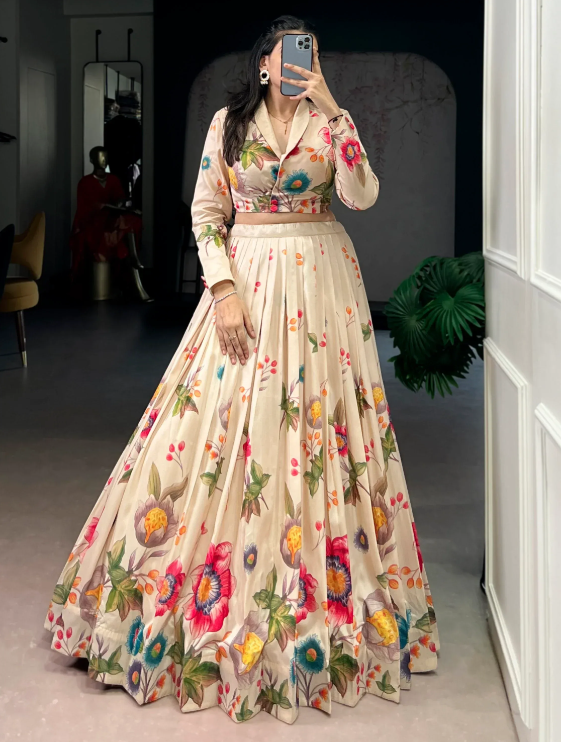
Traditional fashion has changed considerably, but some silhouettes continue to find new places in everyday festive dressing. A lehenga dress combines the graceful appeal of ethnic clothing with a more streamlined approach, making it suitable for weddings, festive dinners, engagement parties, and family celebrations where women want something elegant without an overly elaborate appearance.
Modern wardrobes often need clothing that can work across different occasions rather than being reserved for one particular event. A well-designed lehenga dress can offer that flexibility through different fabrics, colors, sleeve styles, and levels of embellishment. With the right accessories, the same outfit can also take on a completely different character.
Understanding the Appeal of a Modern Silhouette
One reason this style has become appealing is its ability to combine familiar traditional elements with a more contemporary shape. The flowing lower section provides movement, while the structured upper portion can create a neat and polished appearance. This balance makes the outfit feel festive without necessarily looking too formal.
The silhouette can also be adapted according to personal preference. Some women may prefer a fitted waist and fuller skirt, while others may feel more comfortable in a relaxed flowing design. Sleeve length, neckline, and overall volume can further influence how traditional or modern the final outfit appears.
Choosing Fabrics According to the Occasion
Fabric plays an important role in determining whether an outfit feels suitable for daytime or evening wear. Lightweight georgette, chiffon, and soft blends can create graceful movement for daytime gatherings, while silk, velvet, brocade, and richer fabrics can provide additional depth for evening celebrations.
Comfort should remain part of the decision because festive occasions often involve several hours of sitting, walking, meeting guests, and taking photographs. A beautiful outfit becomes much more enjoyable when its fabric allows natural movement. Seasonal conditions should also be considered before choosing heavier materials for longer celebrations.
Finding Colors That Work Across Different Events
Color can make the same silhouette appear completely different. Pastel pink, peach, lavender, mint, and powder blue create a softer daytime impression, while wine, emerald, navy, and deep purple can bring more richness to evening functions. Neutral shades can also provide a versatile foundation for changing accessories.
A lehenga for women can be particularly useful when its color and detailing are not tied too closely to one specific celebration. Choosing moderate embroidery and a flattering shade makes it easier to restyle the outfit for future weddings, festive gatherings, or family occasions without making it feel repetitive.
Styling Details That Give the Outfit More Character
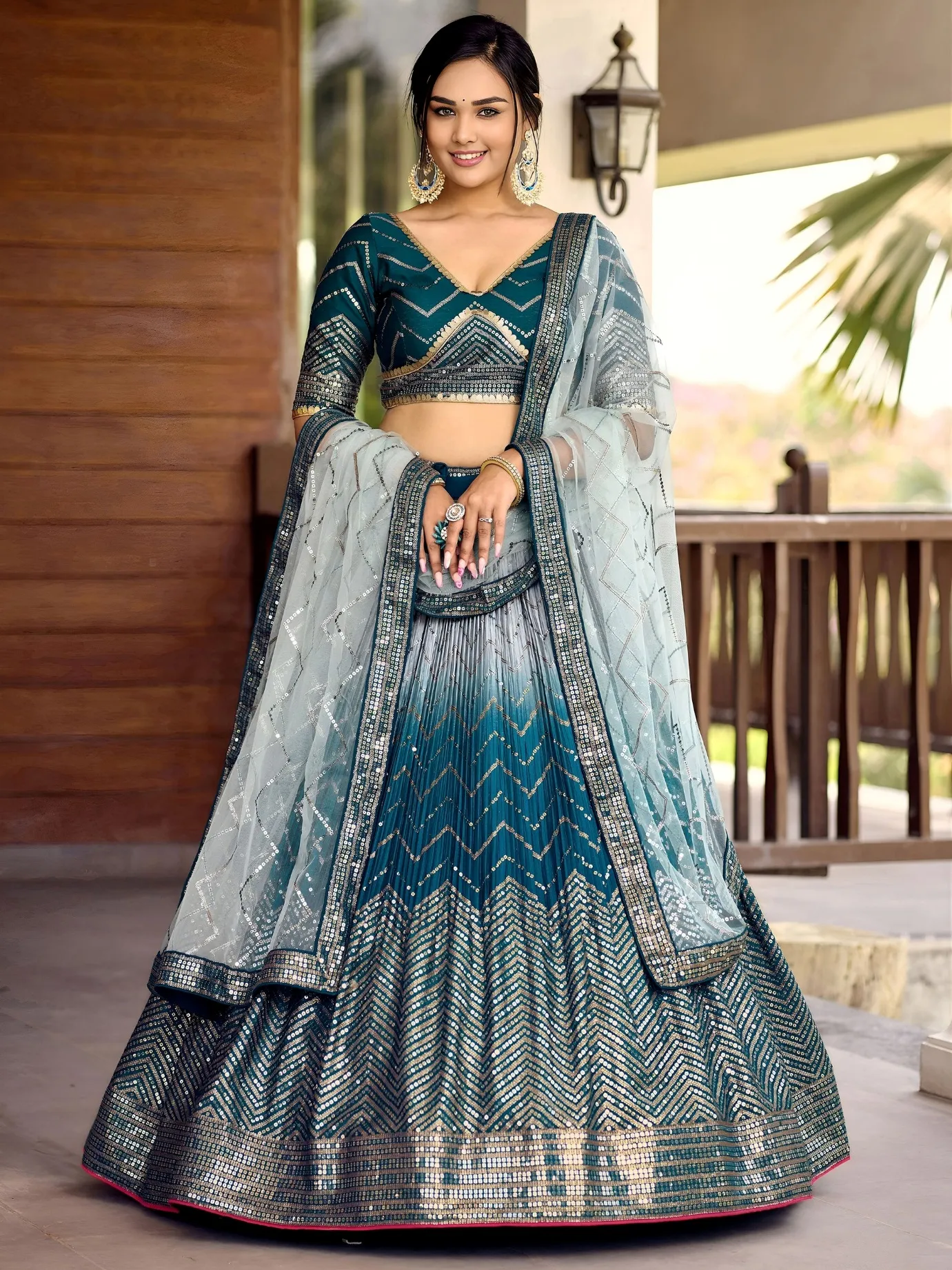
Accessories can shift the overall personality of a traditional outfit without requiring major changes to the clothing itself. Statement earrings, delicate bangles, embellished clutches, and metallic footwear can all add interest, but the right combination depends on how much detailing the outfit already contains.
Hairstyling can make an equally noticeable difference. A sleek bun creates a polished traditional appearance, while loose waves can make the same outfit feel softer and more contemporary. Choosing accessories and hairstyles together helps the final look feel coordinated instead of assembled from unrelated pieces.
Balancing Embroidery With Everyday Comfort
Embroidery can make festive clothing feel luxurious, but excessive embellishment is not always practical. Scattered motifs, delicate borders, and limited sequin work can provide enough decoration while keeping the outfit relatively comfortable. This approach works particularly well for celebrations where the wearer expects to move around frequently.
The weight of the outfit should also be considered before purchasing. Heavily decorated skirts can become tiring during long events, especially when combined with elaborate dupattas and accessories. A balanced design allows the wearer to enjoy the celebration while still maintaining the polished appearance expected from traditional occasion wear.
-
Choose embroidery according to the event.
-
Consider outfit weight before purchasing.
-
Keep accessories balanced with embellishment.
-
Prioritize comfortable movement throughout celebrations.
Conclusion
Modern festive wardrobes benefit from clothing that can be styled in more than one way. A well-chosen outfit can work for weddings, festive dinners, engagement celebrations, family gatherings, and cultural events when its colors and embellishment remain adaptable. Changing the jewelry, hairstyle, footwear, or dupatta can create a noticeably different appearance.
This versatility also makes it easier to develop a personal ethnic style without constantly purchasing new outfits. Instead of following every passing trend, women can focus on silhouettes, fabrics, and colors that genuinely suit them. A thoughtfully selected lehenga dress can therefore offer both traditional charm and modern practicality, making it a useful addition to a contemporary festive wardrobe.